Love and dating
Every reply gets read closely
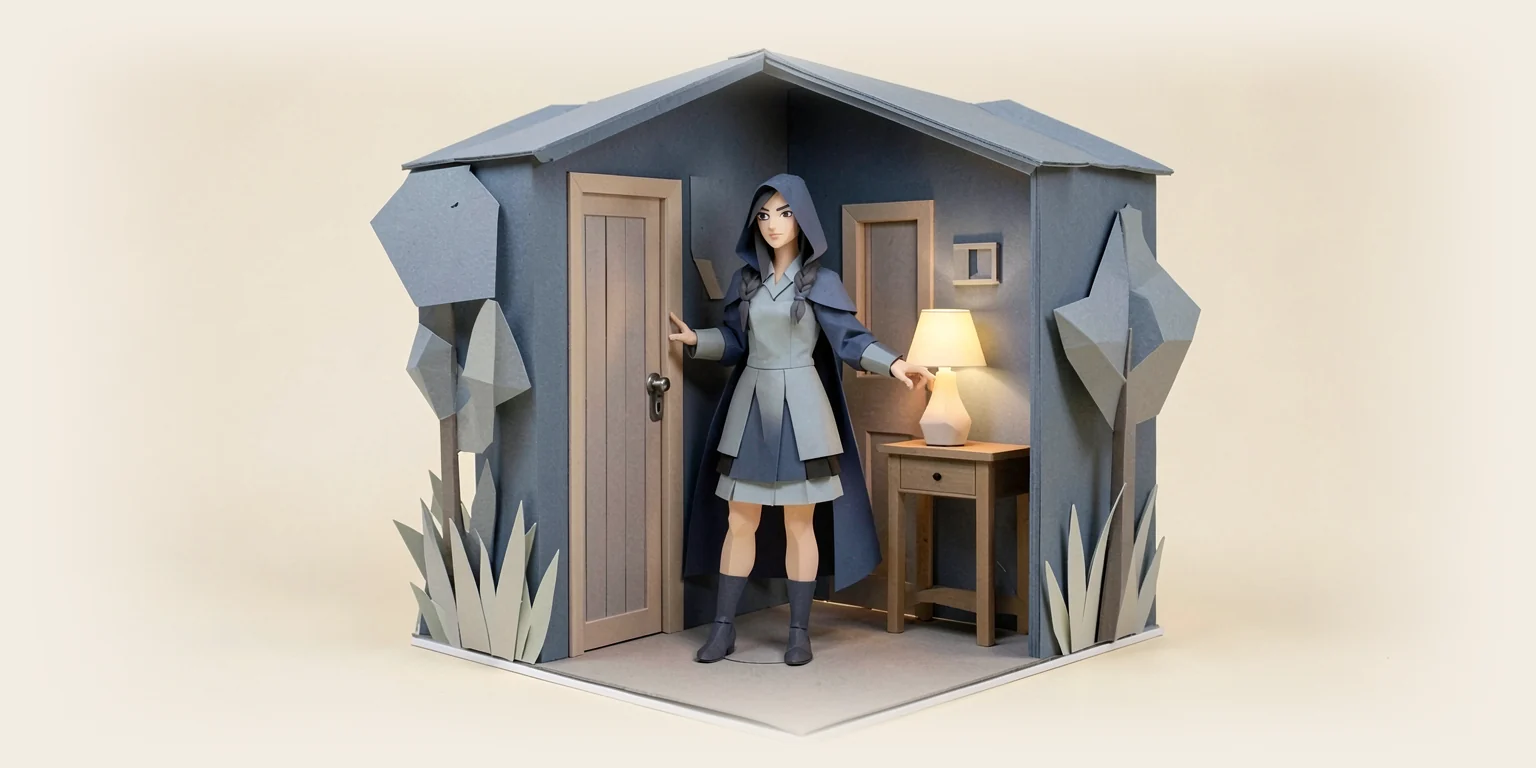
A Scout with a crush clocks who that person sits with at lunch and how fast they reply. A first message is planned, and may get rewritten until it says almost nothing. After sending it, they may check their phone more than they’d like to admit.
A slow reply can feel like an answer, even when the other person is just at training. When a friendly reply comes, the relief is big enough that they put the phone face down and walk round the room.
Scouts go slowly at the start. They want to know someone is steady before they let themselves get excited, and someone who keeps moving a hangout can be a lot for them.
Menu read the night before
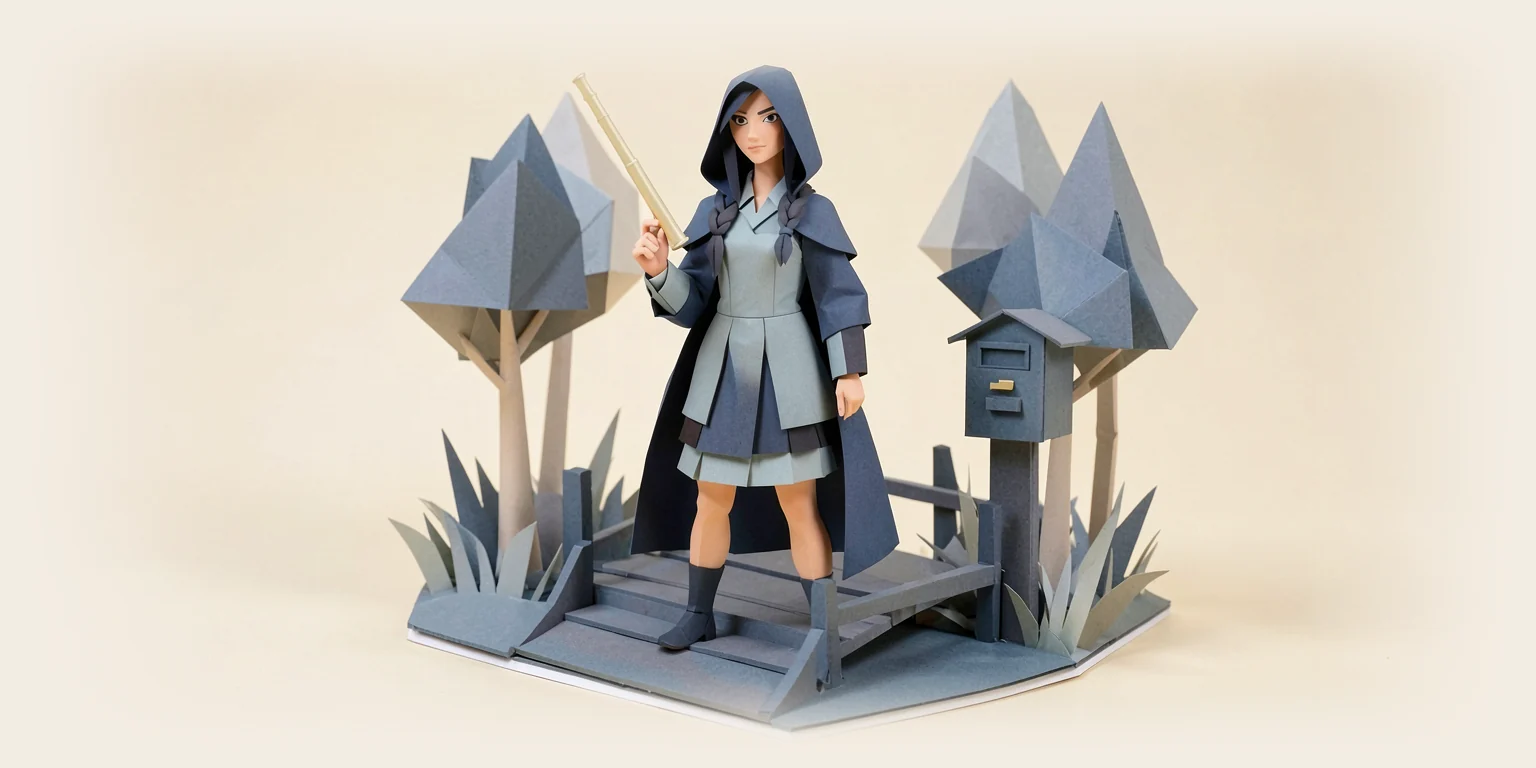
Before a date, a Scout has looked at the menu and checked how to get there. It helps the date run smoothly, though it can make them seem stiff for the first little while.
As a partner, a Scout keeps promises and turns up on time. They show care by doing things, like reminding a partner about a forgotten appointment, or texting about a jacket when rain is coming. Partners feel safe with them, and sometimes a little managed. A partner who says “I’ve got this one” and means it gives a Scout a night off from the planning.
Wrote a few topics on the back of their hand before the date, in case it went quiet.
Needing it said plainly
Mixed signals are hard on a Scout, because their mind fills the gap with the worst version. A partner who says “I’m quiet because of my exam, it’s nothing you did” can save them an evening of worry.
Relaxing into it is the hard part. A Scout may ask “are we okay?” more often than a partner expects, and go over a small argument long after it’s finished.
Surprises can be stressful too, like a mystery trip with no plan. A heads-up helps, even for nice things. “Keep Saturday free, wear shoes you can walk in” is enough for a Scout to stop guessing and start looking forward to it.
If someone you’re seeing makes you feel scared, small or watched, that’s about them, not your type. You can talk to someone about it.
Next: At homeKnowing the plan before the parents