At home
Every rule gets a “but why?”
Every house rule gets a “but why?” from a Voyager. They’ll ask why dinner has to be at the table, or why they can’t go into the city for a concert with friends. They want the reason, and then they want to try it their own way. Dinner can turn into a debate about whether school uniforms should exist, with a sibling picking sides.
Some parents enjoy the debate, and others find it tiring. A Voyager also brings the outside world in, like a dish they want to cook or a plan for a family trip somewhere new. That can liven a house up. It can also feel like they’re halfway out the door, messaging friends at the dinner table.
The chore chart nobody follows
A Voyager is the sibling who starts the game, or the plan to film something in the backyard. In a share house later, they may bring people over and turn a Tuesday into a dinner party. Housemates can love this and still want some warning.
Chores are where tension shows. The same dishes every night can bore them, so they may invent a new system, colour-coded and exciting for about a week. The chart stays stuck to the cupboard door long after anyone follows it. Siblings who like routine can find this frustrating. Agreeing on what has to get done, and letting the Voyager choose how, can keep the peace.
Suggests somewhere new for the family holiday every year, and every year they all go back to the same caravan park.
Moving the bed again
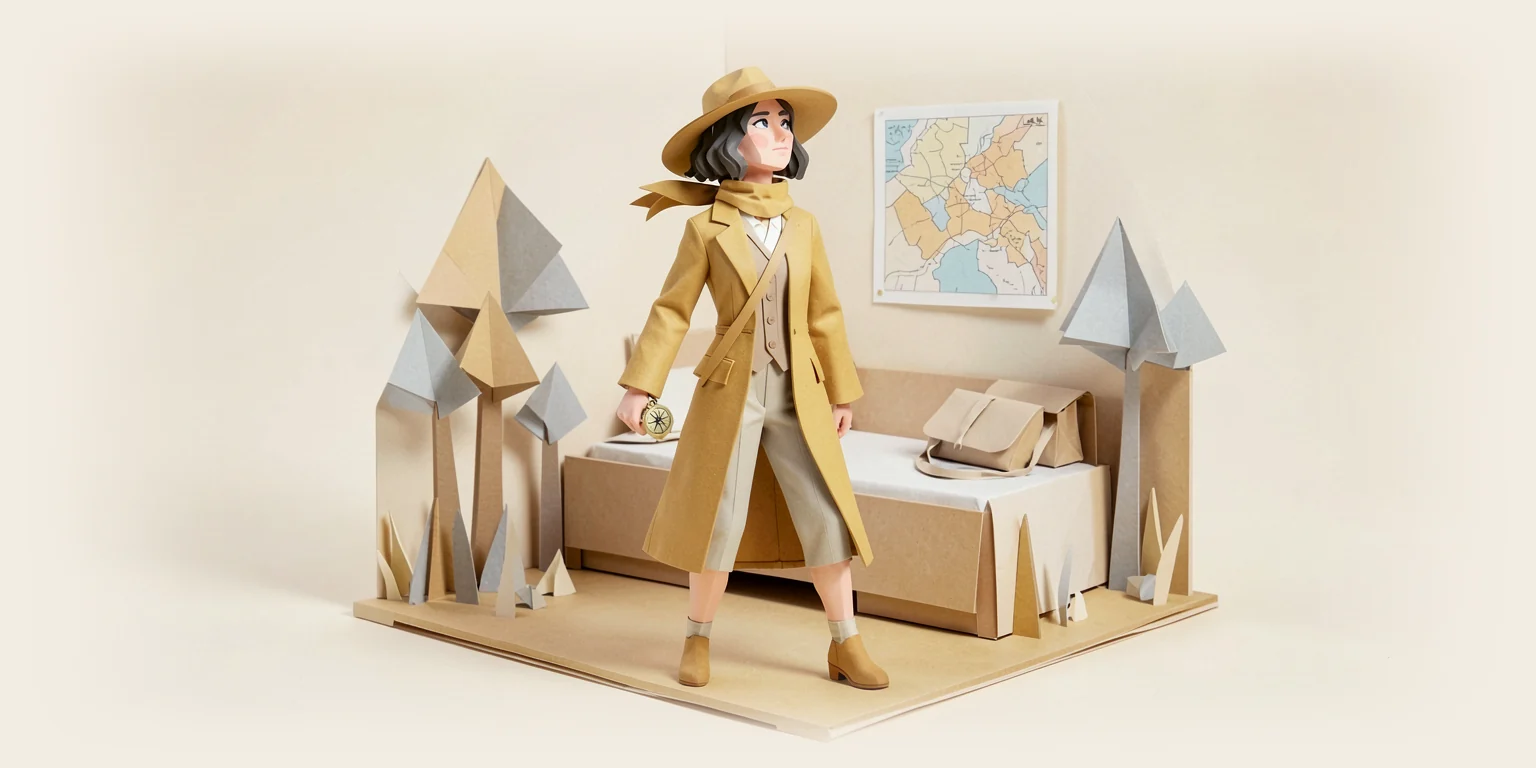
A Voyager’s room keeps changing. The bed moves to the other wall late on a school night. A corner holds the leftovers of old interests, like a ukulele and half a sewing project. Their room is a place for new plans more than a place to hide.
Home feels best to them when it’s open, with people coming and going and room to try things. A house where nothing changes and visitors are few can make them restless, and they may spend more time out.
A small change they’re allowed to make can make home feel like theirs. Painting a wall would do it, or cooking something new for everyone on Sunday.