Growing
The billycart the younger kids still ride
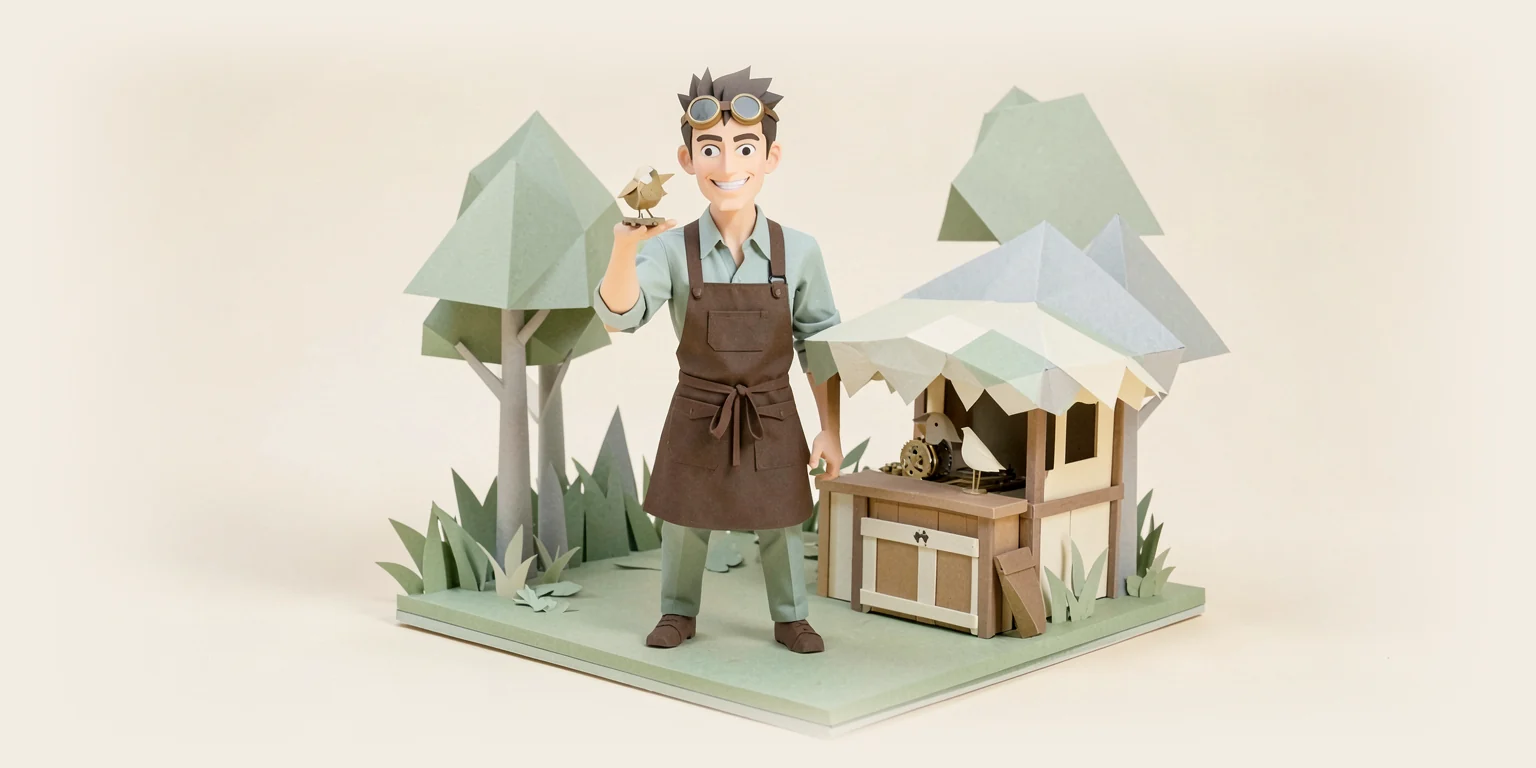
Carrying an idea all the way into the world is the Inventor habit worth protecting. Plenty of people dream, and plenty finish. Doing both lets them build the thing others only talk about, like the billycart the younger kids still ride down the hill.
That gift needs time and some quiet. A notebook for ideas and a corner where projects can stay out give it room. A shelf of finished things, even small ones, shows them how much they’ve already made.
It helps to notice who enjoys what they make, and to spend more time around those people. The patience for the boring middle of a build is worth guarding most on slow weeks, when the glue is drying and nothing seems to move.
Write down what done looks like
Deciding what “done” means before starting is worth practising. For a school poster or a work report, that might be a short line at the top of the page saying the diagram and the sources. When both are ticked, it goes in, and the high bar has a harder time moving the finish line.
A second practice is showing work at the halfway point. They can send the rough draft to one person with one question, like “is this heading the right way?” That can feel exposing at first. They might compare how that reply feels with a week spent alone on the same problem. Then they can notice which one left more energy for the next part.
Built a bookshelf with a hidden compartment, and has nothing secret enough to put in it.
The shelf with one screw showing
If you can picture the finished thing before you’ve picked up a tool, that picture is where everything you’ve made began. It’s also why you can see the gap under a drawer you built, long before anyone else would.
Keep the high bar for the work that matters most to you. Let the rest go out at good enough, like the cover song with a shaky bridge or the shelf with one screw showing. The people around you get to use the slightly crooked thing you made, while the perfect one stays in your head.
Next time someone asks how you made something, show them the version that snapped as well as the one that worked, and see what they ask.
Pick one thing that’s nearly done and call it finished this week.