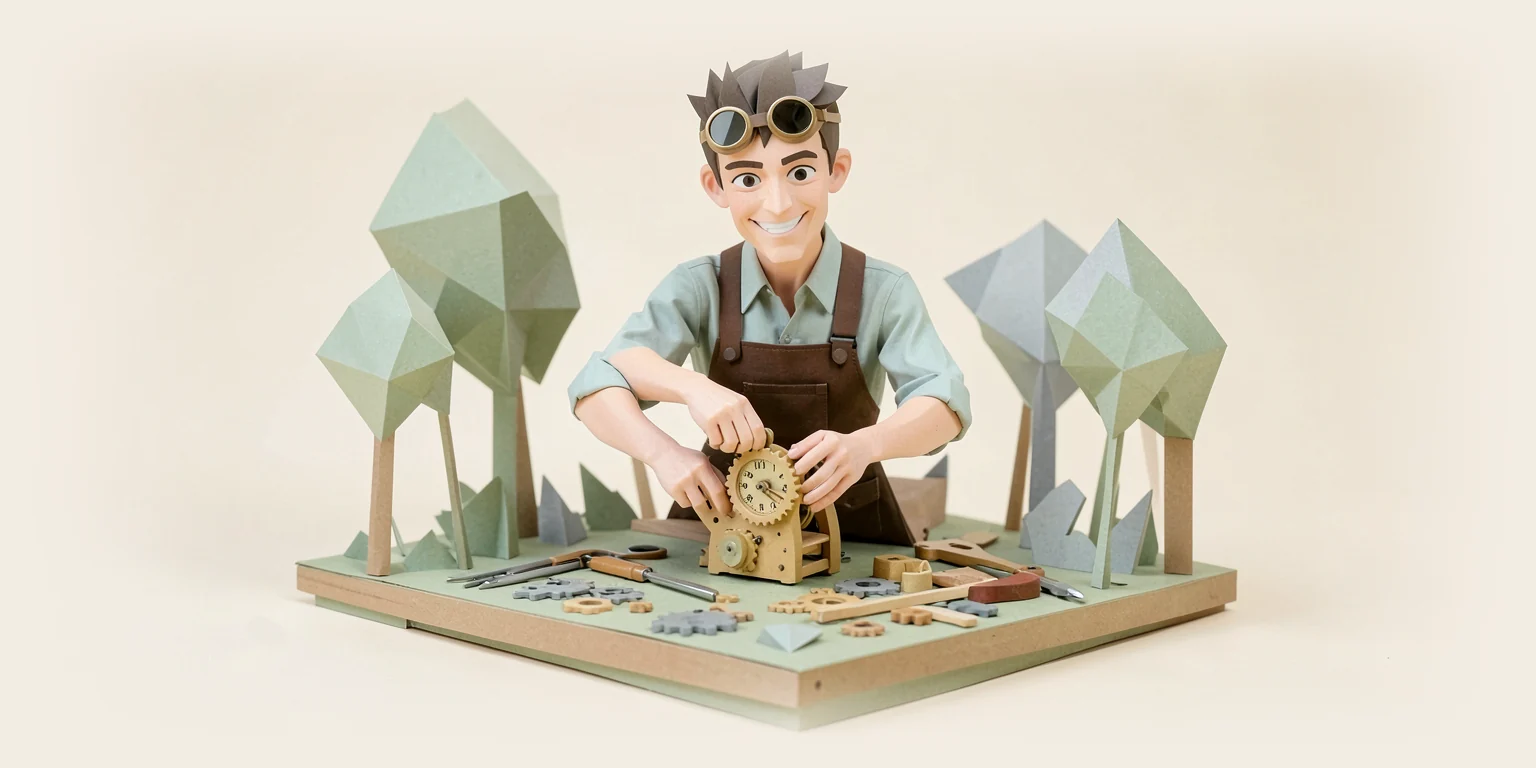
At home
Questions the system, then improves it
Asked to clean the bathroom, an Inventor may first ask why it’s done in that order, then suggest a better one. Some parents and carers enjoy that. Others hear it as cheek. Inventors get on best at home when they’re trusted to do jobs their own way, and they keep their word on the ones they agreed to.
House rules that change for no clear reason can frustrate them. They may also be the one who keeps every appliance manual in a single folder in the kitchen drawer.
Being told to drop a project for a chore right now can feel like having a book shut mid-sentence. A heads-up like “dinner soon, start wrapping up” lets them stop at a sensible point, with the glue set and the screws back in their jar.
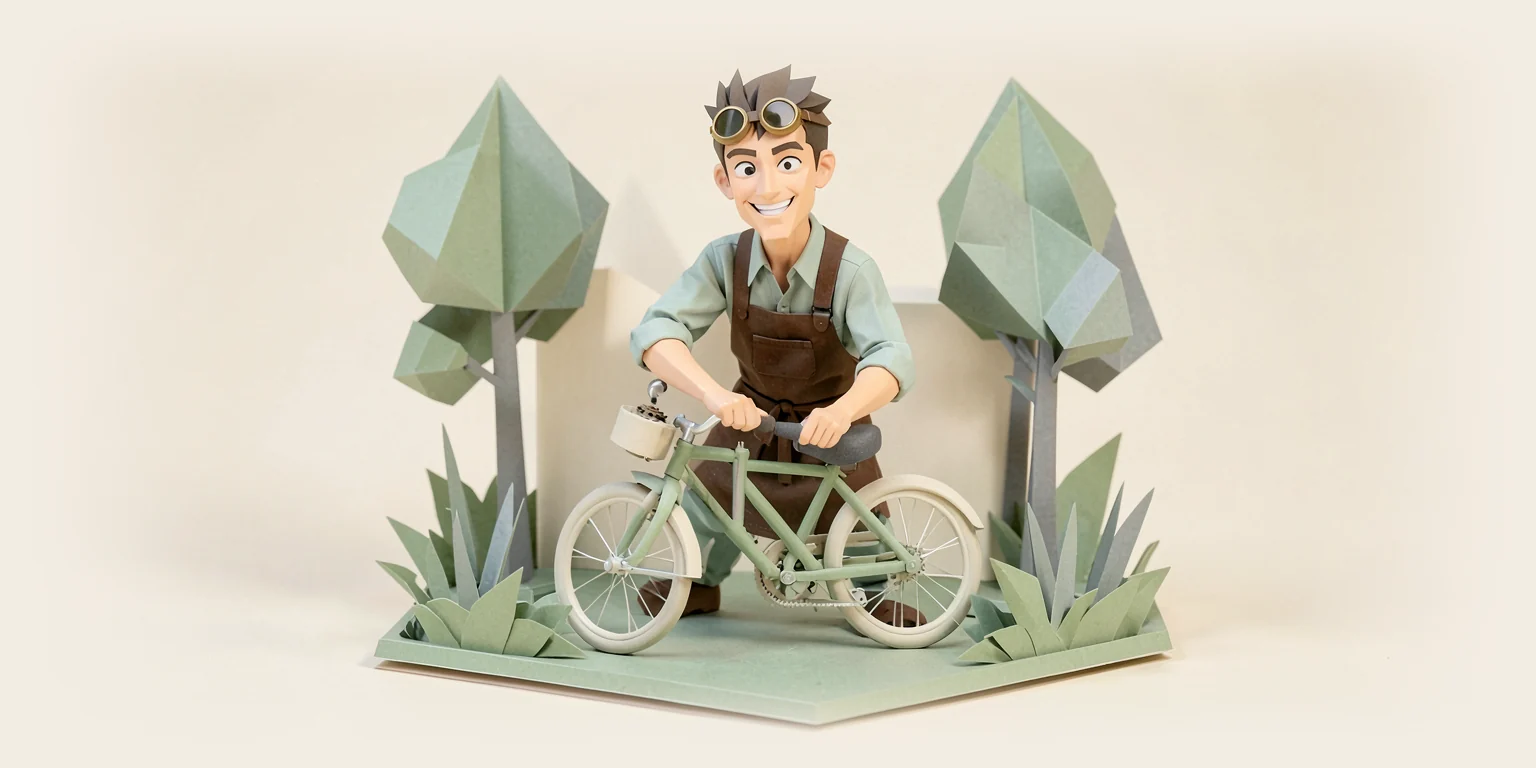
A hook for every set of keys
An Inventor’s answer to lost keys is a row of hooks by the front door, screwed in on a Saturday. With siblings or housemates, they tend to build something rather than make a rule. Labelled boxes appear in the laundry, and the pile of shoes gets a rack.
The hooks work when people use them, and people often don’t. That gap is where a lot of their arguments start. An Inventor may stay calm about a big mess and get sharp over a lid left off the toothpaste. To them, the lid means the plan is being ignored. Housemates may find them a bit strict. They’re also the one who gets the broken heater going again while everyone else complains about the cold, after an afternoon of reading about heater valves.
Asked to change one light bulb, they came back with a lighting plan for the whole hallway.
A desk nobody else touches
The half-built science model sits on an Inventor’s desk exactly where it needs to be, even if the room looks cluttered to everyone else. The order is real, and only they can read it. Someone tidying it for them can feel like a small disaster, especially if the tiny screws go in the bin.
Many Inventors need one corner that’s theirs, where a project can stay out overnight without being packed away. Home feels right to them with order in the shared spaces and freedom in their own. A parent might ask what the thing on the desk is meant to do, and listen to the answer. That gives them a reason to bring it out and show it.
A sibling who borrows their good scissors for wrapping paper may hear about it for a week.