Strengths and weak spots
A Bard’s strengths and weak spots grow from one place, feeling things fully and needing people to share them with. On a good day that makes them the person who gets a quiet table talking. On a harder day the same pull makes them send the long message before they’ve finished feeling it.

Strengths
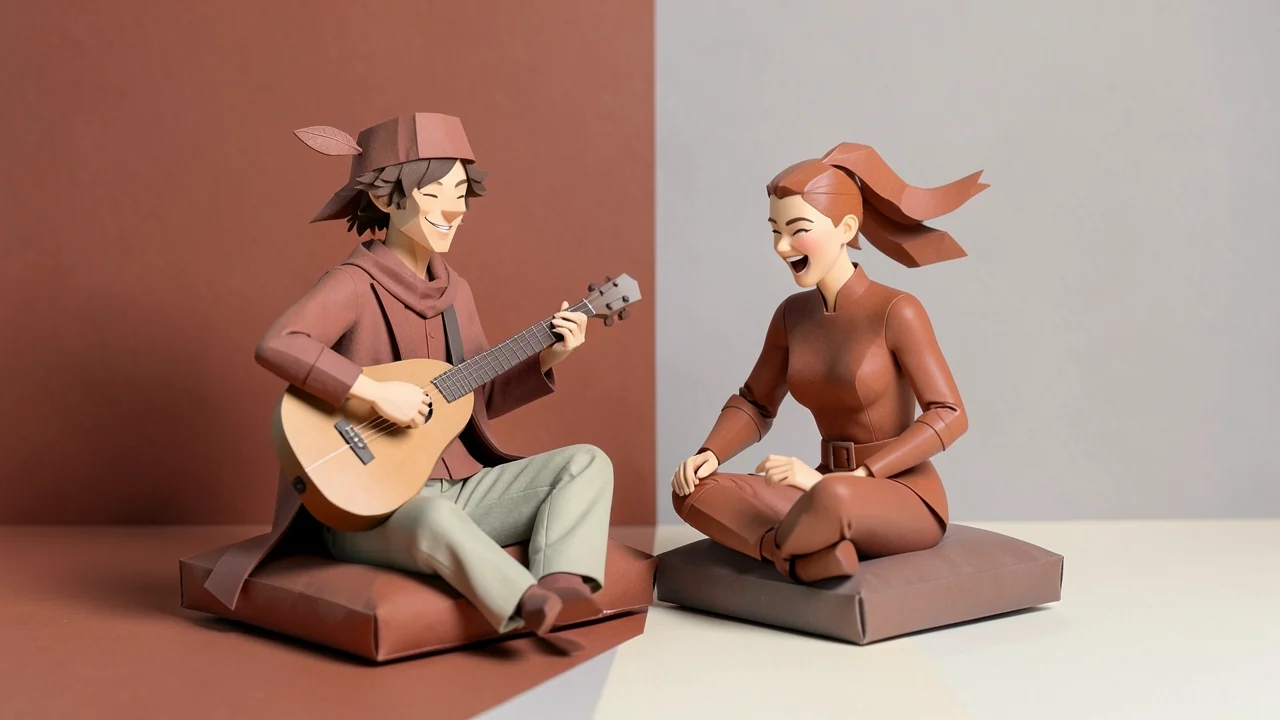
Says what others won’t. When a group circles a problem, a Bard names it. “I think we’re all a bit hurt about this.” The feeling is strong and speaking up comes easily, so it gets said before the moment passes. Others are usually relieved someone did, and the walk home gets easier for everyone.
Notices the mood shift. A Bard picks up a change in the room fast, like the friend who went quiet after one comment or a laugh that came out forced. They go over and ask. The friend gets someone at their elbow before they’ve had to say a word.
Makes good news bigger. When a friend gets the part in the play, a Bard shrieks, hugs them and tells everyone in the canteen line. The joy is loud, and all of it is for the friend. People save good news for a Bard, because it feels bigger once they’ve heard it.
Easy to know. People don’t have to guess where they stand with a Bard. If something’s wrong, they’ll hear about it, usually that day and usually in person. For a friend who finds most people hard to read, that is a rest. They can stop going over the last conversation for clues.
Lifts a flat room. In a tired class or a slow shift, a Bard starts the silly game or sings along to the radio. People give them energy, and they hand it straight back. A dull afternoon can turn around, and the quiet kid at the back ends up joining in.
Comforts out loud. A Bard moves closer when a friend is upset. They’ll sit on the kerb outside the party and say “that sounds awful” and mean it. They don’t rush anyone to be fine. The friend gets to finish the whole story, with a warm shoulder against theirs on the cold kerb.
Can’t watch a reality show alone, because who would they gasp at?
Weak spots
Says it too soon. The speed that names a problem can name it before they’re sure. A Bard may send the upset message from bed and feel differently by breakfast. The feeling was real, and by morning the friend’s worried reply is already waiting.
Reads too much in. Catching small shifts means catching ones that mean nothing. The friend who sat further down the bench may only have wanted the shade. A Bard can spend the evening deciding it was about them, and ask “are we okay?” more often than a friend needs.
Loud lows as well. Bad news can fill a room as fast as a Bard’s good news does, and everyone nearby feels the day tilt. A whole lunch table can end up talking about one Bard’s bad morning. Afterwards the Bard can feel embarrassed about it, which turns into one more thing to feel.
Tells before thinking. Being open means some things get told before they’re ready. A friend’s secret can slip out on the walk to class while a Bard explains their own feelings. A family row can get aired to the whole table. A Bard usually notices halfway through the sentence, with the friend’s face already changing.
Runs on empty. Lifting the room takes energy, and Bards can keep giving after they’ve run out. They’re the life of the shift, then home, flat, too tired to answer anyone. People who saw the loud version may not believe the tired one, sitting on the end of the bed with their shoes still on.
Carries other people’s hurt. Feeling a friend’s pain with them can mean taking it home. A Bard can lie awake over someone else’s breakup after that person has gone to sleep. Their mood can end up tied to everyone they care about, and each friend’s bad week becomes a little bit theirs.